
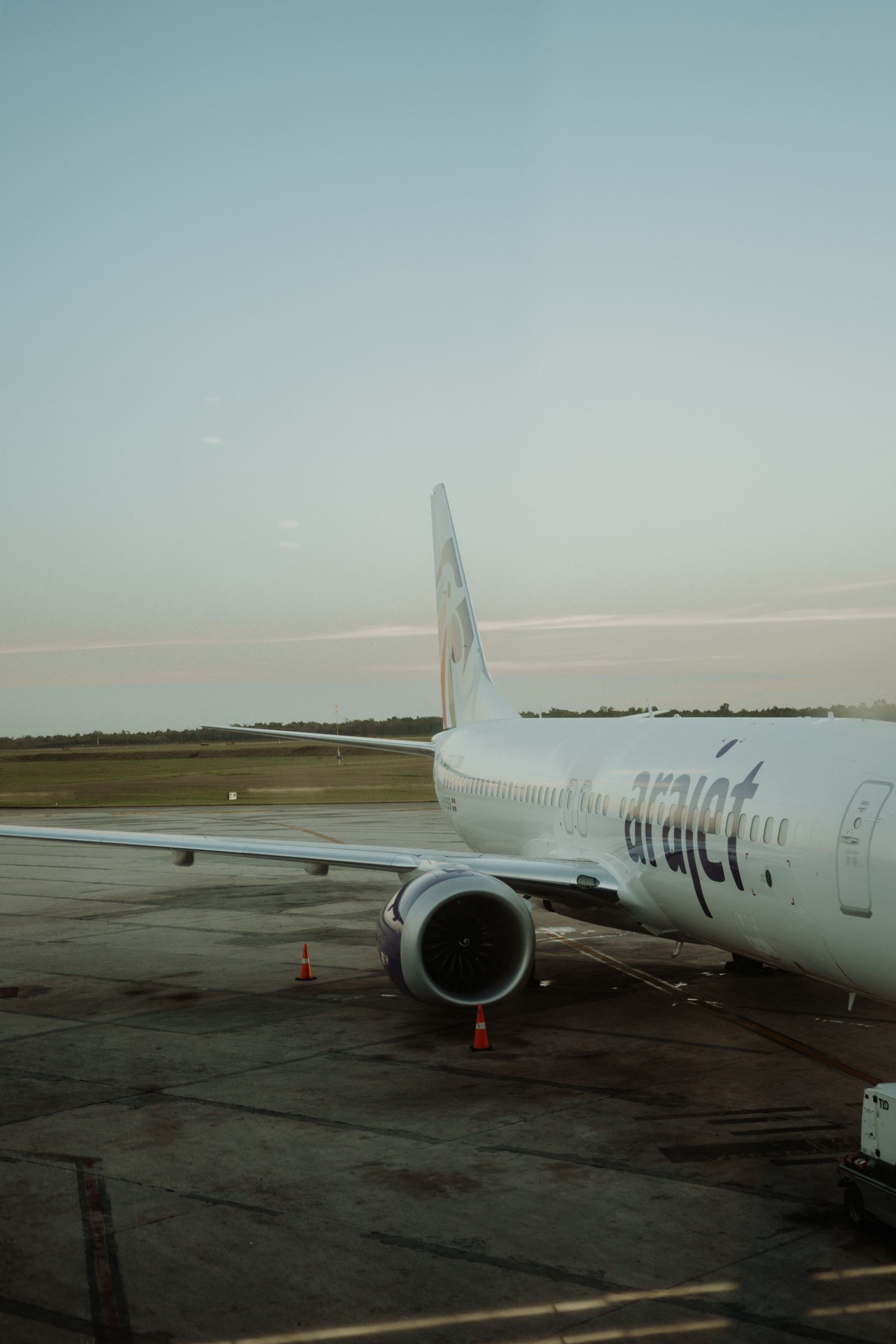
Climate embargoes are temperature-based restrictions airlines impose to prevent pets from traveling in cargo holds during extreme heat or cold, typically triggered when forecasted ground temperatures at any airport on the route exceed about 85°F (29°C) or drop below 20°F. These embargoes can delay a booked shipment by days or even push it into the following month if an entire region is affected.
How airlines set embargo thresholds
Most US carriers apply seasonal embargoes from roughly May through September in many regions, checking forecasted temperatures at origin, layover, and destination airports 24-48 hours before departure. The IATA Live Animals Regulations provide the baseline framework that most global carriers adapt into their own specific policy thresholds.
Why embargoes complicate scheduling
Because embargo decisions are often made only a day or two before departure based on live weather forecasting, they create genuine scheduling uncertainty:
- A pet booked on a mid-afternoon summer flight through a hot layover city can be bumped even if the origin and destination cities are both within safe temperature ranges.
- Rebooking onto an early-morning or late-night flight is often the only fix.
- Embargoes can stack with seasonal country-specific import windows, meaning a pet could miss a narrow customs or quarantine slot at the destination.
- Multi-leg international routes are especially vulnerable since every layover airport's forecast matters.
How professional shippers manage embargo risk
Experienced relocation companies build embargo risk into their planning from the start. Full-service operators like Starwood Pet Travel monitor forecasted embargoes across an entire itinerary before confirming a booking. International specialists also factor in destination climate patterns unique to their regions — for instance, Jet Pets has to account for Australia's inverted seasons when coordinating flights from the Northern Hemisphere. Similarly, PetAir UK's blog regularly publishes seasonal advisories reminding clients that early booking doesn't eliminate embargo risk.
Practical ways to reduce embargo disruption
- Book early-morning or late-evening flights during summer, since tarmac temperatures peak in early-to-mid afternoon.
- Avoid layovers in known hot-weather hub cities during peak summer months.
- Build a 3-7 day buffer into your relocation timeline in case a flight is embargoed and needs rebooking.
- Ask your pet shipper whether the airline's embargo policy is based on forecast or same-day actual temperature.
- Consider cargo charter options, which sometimes have more flexible temperature-controlled loading procedures.
Does a climate embargo mean my pet can't fly at all that season?
No, it means specific flights or routes are blocked when temperatures exceed safe thresholds — rebooking onto a different time of day or route is usually possible.
Are cabin pets affected by climate embargoes?
Generally no, since cabin pets stay with their owner in the temperature-controlled passenger cabin, though extreme heat can still affect ground transport to and from the aircraft.
How last-minute can an embargo cancellation be?
Airlines often confirm or cancel live animal cargo based on forecasts issued 24-48 hours before departure, so last-minute changes are common during shoulder-season heat waves.
