
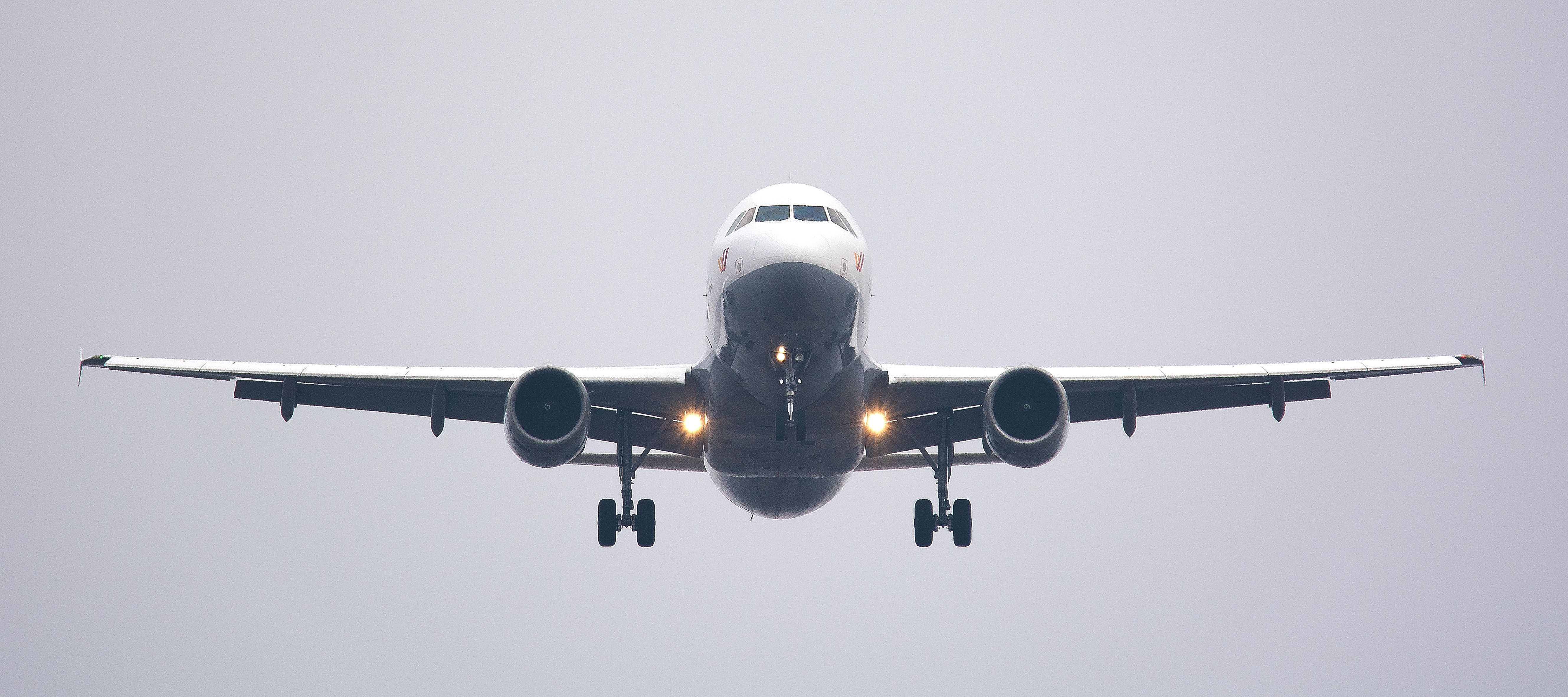
Codeshare and interline partnerships let one airline sell tickets on flights that a different airline actually operates, and that mismatch causes real problems for pet cargo: the operating carrier's live-animal policy, crate rules, and seasonal embargoes govern the shipment, not the marketing carrier's, so an itinerary that looks fine when booked can turn out to be unbookable for a pet once cargo staff review it.
Codeshare vs. Interline: Why the Difference Matters
A codeshare flight is sold under one airline's flight number but flown by a partner, such as a ticket marketed by United that's actually operated by Lufthansa. An interline agreement, by contrast, covers how two separate airlines hand off passengers, bags, and cargo between their own flights at a connecting airport. Live animal cargo depends heavily on interline live-animal handling agreements between the specific carriers involved, and not every pair of airlines that interline passenger baggage also interlines pets, since live cargo requires temperature-controlled space, dedicated ground handling, and matching paperwork standards.
Where Pet Bookings Actually Break Down
The most common failure points show up at connections. Each operating carrier sets its own minimum connection time for transferring a live animal between cargo warehouses, often four hours or more, and if a codeshare itinerary was built around passenger connection times rather than cargo transfer times, the pet can get stranded or bumped. Airlines also maintain independent seasonal heat and cold embargoes, so a route that's fine on the first carrier's segment might hit a blackout period on the connecting carrier's segment. Differences to watch for include:
- Different minimum connection times for live cargo versus passengers
- Mismatched seasonal temperature embargoes between the two carriers
- Separate crate specification requirements on each operating segment
- Whether both carriers have an active interline live-animal agreement at all
- Extra documentation required specifically for the transfer airport
The IATA Framework Sets the Floor, Not the Ceiling
The IATA Live Animals Regulations establish baseline crate, ventilation, and handling standards that member airlines are expected to follow, but individual carriers layer their own stricter rules on top, and those rules don't automatically harmonize across a multi-carrier itinerary. That's why cargo agents typically insist on booking pets on a single operating carrier for as much of the journey as possible, even if it means a less convenient routing than the cheapest codeshare fare.
How Relocation Specialists Route Around the Problem
Because airline reservation systems weren't built to flag live-animal interline conflicts automatically, most successful international pet moves are booked directly with cargo departments or through a relocation coordinator rather than through a standard passenger travel agent. Services like a dedicated dog transport program exist specifically to sequence single-carrier or properly interlined routings, and specialist shippers such as PetAir UK's relocation coordinators maintain up-to-date knowledge of which carrier pairs actually honor live-animal interline agreements on a given route.
Questions Worth Asking Before You Book
Before confirming any multi-leg itinerary for a pet, ask the booking agent to confirm the operating carrier, not just the marketing carrier, for every segment. Ask separately whether each operating airline currently accepts live cargo on that specific route, since acceptance can change seasonally even on routes that historically carried pets. It's also worth asking about the minimum guaranteed connection time cargo staff need at the transfer airport, and whether that airport's ground handling company has experience transferring live animals between the two carriers involved, since not every transfer hub is equally equipped for it.
Can I book my pet's cargo flight the same way I book my own connecting flight?
Not safely. Passenger connection times and live-cargo transfer times are calculated differently, so a connection that works fine for you as a passenger can be too tight for your pet's cargo transfer between carriers.
Does a codeshare ticket guarantee my pet flies on my preferred airline?
No. The operating carrier's pet policy applies regardless of which airline's name is on the ticket, so always confirm the actual operating carrier's live-animal rules before assuming your preferred airline's policy applies.
Is it better to book a nonstop flight for pet cargo?
Generally yes, when available, since a nonstop eliminates interline handoff risk entirely; when a connection is unavoidable, a single-carrier connecting itinerary is usually more reliable than one split across two different operating airlines.
